PHAST

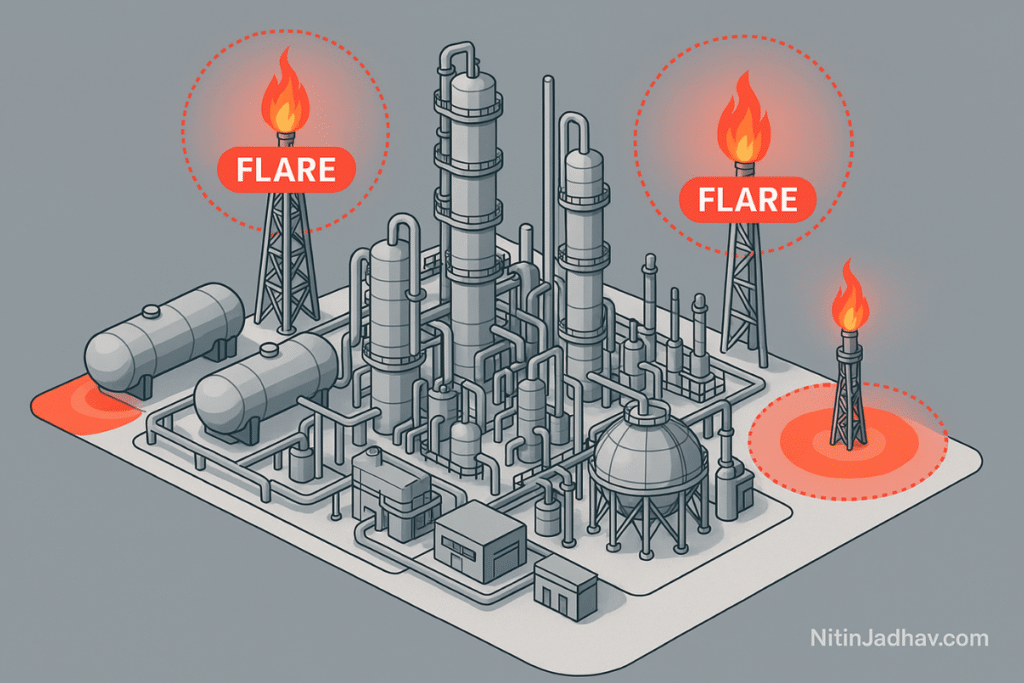
Heatmap showing fire and explosion impact zones in a process plant used for FERA study

FERA (Fire and Explosion Risk Analysis) Study – A Comprehensive Guide for Process Safety in Oil & Gas

Engineering, Fire Protection, Oil & Gas, Process Safety, Risk Assessment

A comprehensive guide to Fire and Explosion Risk Analysis (FERA), detailing methodology, scenarios, consequence modeling, tools, and best practices essential for safe design and operation in oil & gas and process industries.

FERA (Fire and Explosion Risk Analysis) Study – A Comprehensive Guide for Process Safety in Oil & Gas Read Post »

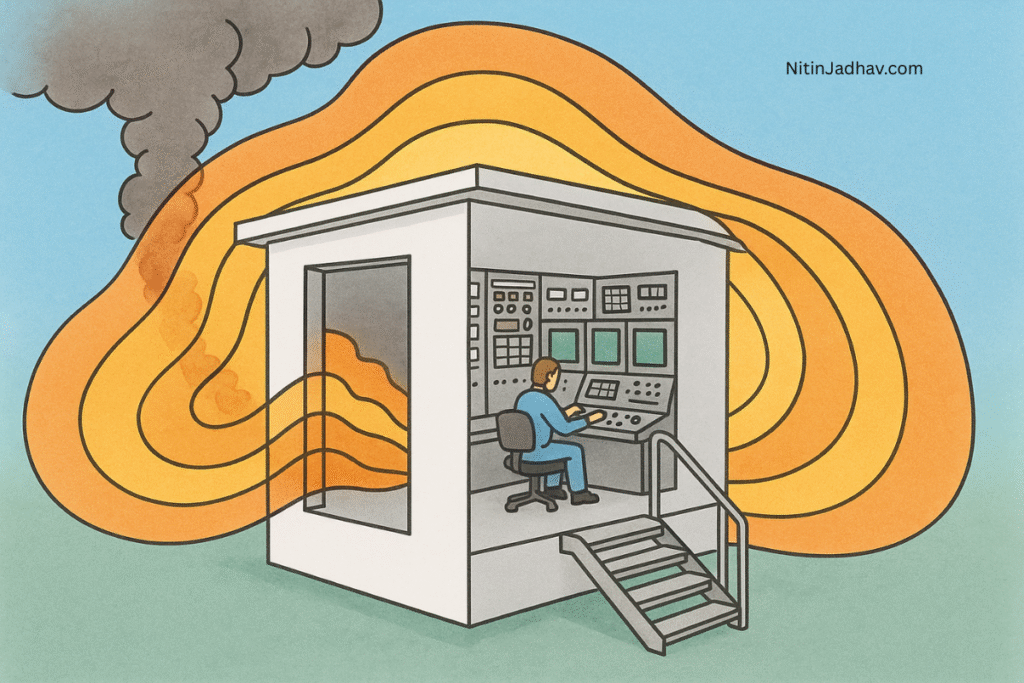
CFD simulation model showing dispersion and fire risk around process equipment for RBI analysis

CFD and Risk-Based Inspection (RBI) – A Strategic Approach to Equipment Integrity and Failure Risk Management

Inspection, Oil & Gas, Process Safety, Reliability Engineering, Risk Assessment

Learn how Risk-Based Inspection (RBI) combined with CFD modeling improves equipment integrity and failure risk prediction by assessing both likelihood and consequence of failure in industrial assets.

CFD and Risk-Based Inspection (RBI) – A Strategic Approach to Equipment Integrity and Failure Risk Management Read Post »

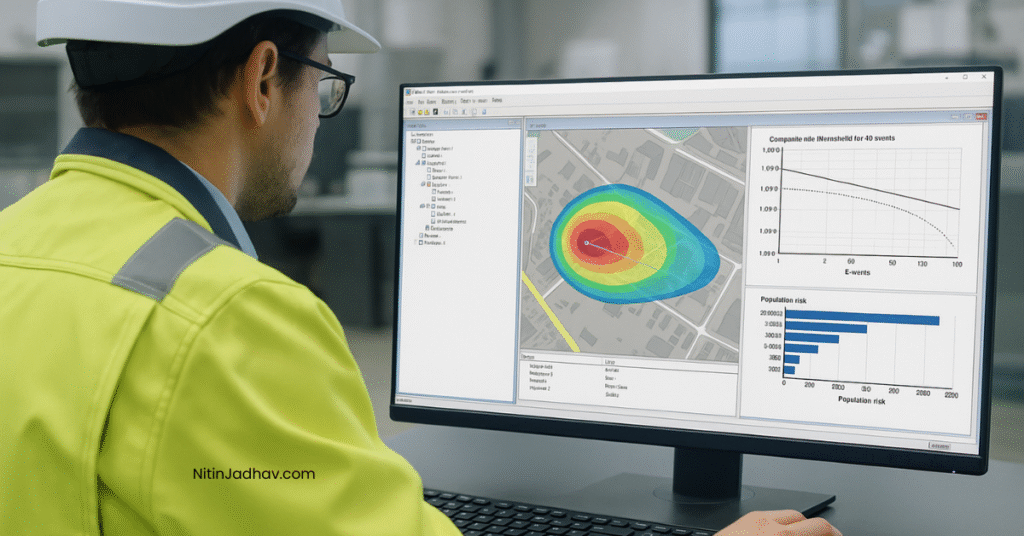
Risk contour diagram showing individual and societal risk zones in an oil and gas facility for QRA analysis

QRA (Quantitative Risk Assessment): Why It Matters in Oil & Gas Projects

EPC Engineering, Oil & Gas Projects, Process Safety, Risk Management, Safety Studies

In high-risk industries like oil & gas, safety isn’t optional—it’s critical. Quantitative Risk Assessment (QRA) helps identify, quantify, and control hazards before they become disasters. Learn how QRA adds value, improves design, reduces cost, and ensures regulatory compliance in oil & gas projects.

QRA (Quantitative Risk Assessment): Why It Matters in Oil & Gas Projects Read Post »

Scroll to Top