Introduction
In the dynamic environment of oil & gas, chemical, and petrochemical industries, various tasks often overlap in time and location. These Simultaneous Operations (SIMOPs) introduce a layer of complexity and risk that standard safety protocols may overlook.
SIMOPs are defined as two or more potentially conflicting operations occurring in the same area at the same time, where their interaction may pose a threat to personnel, equipment, or the environment. Unlike isolated activities, the cumulative risks in SIMOPs are amplified by proximity, timing, and interdependencies.
Effective SIMOPs management is essential to ensure safe operations during construction, commissioning, maintenance, and operations phases of a facility.
👉 Internal Link: Process Hazard Analysis (PHA) Studies Including HAZOP and HAZID
1. What Are SIMOPs?
SIMOPs are activities that are individually safe but risky when performed together. Examples include:
- Hot work near areas with flammable gas
- Confined space entry during painting or hydro testing
- Crane lifting near energized equipment
- Startup activities during maintenance of adjacent systems
When not properly reviewed, SIMOPs can lead to fires, toxic releases, explosions, dropped objects, or uncontrolled equipment energization.
2. Typical SIMOPs Scenarios
Let’s categorize common scenarios by project phase:
2.1 Construction Phase
- Excavation near operational pipelines
- Hydrotesting within flammable atmospheres
- Civil works under live overhead lines
- Scaffolding erection near pressurized systems
2.2 Mechanical Tie-In and Hot Tapping
- Connecting new lines to existing systems under pressure
- Risk of flash fires, hydrocarbon release, or backflow
2.3 Electrical & Instrumentation Works
- Working near live electrical cabinets
- Calibration under pressurized conditions
- Risks of arc flash, electrocution, device malfunction
2.4 Vehicle Entry During Operation
- Moving cranes or forklifts near pedestrian zones
- Collision hazards, especially in confined plots
2.5 Confined Space Entry (CSE)
- Working in tanks, vessels, or pits
- Hazards from inerting, solvent exposure, or welding fumes
2.6 Pre-Commissioning Activities
- Water flushing
- Air blowing
- Steam blowing
- Oil flushing
- Leak test
These can affect ongoing activities due to noise, vibration, or unplanned releases.
2.7 Commissioning and Start-up
- Inerting/Purging
- System leak testing
- Initial loading/unloading of product
This overlaps with live operations and is high-risk due to presence of flammables, toxic substances, and untrained third parties.
👉 Internal Link: Emergency Response & Disaster Management Plan (ERDMP)
3. Why SIMOPs Are Risky
Unlike standalone activities, SIMOPs are complex because:
- Risk levels are multiplicative, not additive
- Control measures for one activity may interfere with another
- They can involve multiple contractors with poor communication
- PTW (Permit to Work) systems may not account for combined risks
- Hierarchy of controls may get violated unintentionally
4. SIMOPs Risk Assessment Methodology
Step 1: Identify Overlapping Tasks
- Collect work schedules, activity layouts, and interface matrices
- Use tools like Look-Ahead Schedules or SIMOPS Matrix
Step 2: Conduct SIMOPs Review
The SIMOPs review should:
- Identify additional hazards and energy sources
- Map conflicting tasks
- Consider access control, drainage, and LOTO overlaps
Step 3: Evaluate Additional Risks
Typical hazards to consider:
| Hazard Type | Examples |
|---|---|
| Flammable/Toxic | Gas leaks, purging vapors |
| Mechanical | Crane swing, dropped loads |
| Electrical | Live panels, arc flash |
| Thermal | Hot surfaces, welding |
| Confined Space | Oxygen deficiency |
| Ergonomic | Limited visibility, access issues |
Step 4: Evaluate Control Measures
Ask:
- Are existing controls adequate?
- Are controls in conflict?
- Are barriers, signage, and monitors deployed?
Step 5: Recommend Additional Safeguards
- Update PTW system to include SIMOPS flags
- Assign SIMOPS coordinators
- Use real-time work zone control boards
- Plan for staggered execution
- Enhance toolbox talks and shift handovers
👉 External Link: UK HSE SIMOPS Guidance (PDF)
5. Integration with Permit to Work (PTW)
The PTW system must:
- Indicate SIMOPS involvement on the permit
- Restrict work start until SIMOPS review is approved
- Add additional signatories (e.g., SIMOPs coordinator)
- Attach SIMOPS Matrix and Mitigation Plan
6. Roles and Responsibilities
| Role | Responsibility |
|---|---|
| SIMOPS Chairperson | Leads the review, ensures follow-up |
| Scribe | Records proceedings and outcomes |
| Permit Issuer | Integrates controls into PTW |
| Operations Rep | Aligns SIMOP with live operations |
| HSE Rep | Verifies hazard mitigation |
| Contractor Teams | Execute per agreed control measures |
7. Tools & Templates
- SIMOPS Matrix – grid showing overlap of all activities
- Work Pack Planner – schedules activities by location and time
- Interface Register – identifies conflicting areas and required coordination
- Worksite Control Board – visual representation at site gates
- Daily Coordination Meeting Logs
8. Case Study – SIMOPs Incident in Hydrocarbon Facility
Background: A chemical plant was undergoing pre-commissioning air blowing while internal insulation work continued in an adjacent section.
Incident:
- Insulation workers suffered injuries due to high-pressure air release
- No coordination between commissioning and contractor teams
Root Causes:
- Incomplete SIMOPS review
- No physical barriers between zones
- No shared permit visibility
Corrective Actions:
- Updated SIMOPS procedure
- Introduced visual work zones and electronic PTW tracking
9. Best Practices for SIMOPs Management
- Early Planning
Integrate SIMOPS into HSE plans, construction schedules, and HAZOP outputs - Color-Coded Work Zones
Use red, yellow, green zones to define access restrictions - Centralized SIMOPS Dashboard
Use real-time dashboards in control rooms - Simultaneous Operations Permit (SOP)
Issue a separate permit that overrides individual PTWs - Mock Drills and Tabletop Exercises
- Zone Isolation
Use physical barriers, signage, gas monitors - Toolbox Talks with Scenario Simulation
10. SIMOPs Documentation
| Document | Purpose |
|---|---|
| SIMOPS Risk Assessment Sheet | Hazard control planning |
| SIMOPS Matrix | Visual overlap detection |
| Pre-Job Briefing Checklist | Review of controls |
| Combined Work Schedule | Identify conflicts |
| Daily Permit Summary | Communication among crews |
11. Training and Awareness
- Conduct SIMOPS training modules for all contractors and employees
- Include real incident case studies
- Use 3D walkthroughs for simulation
- Train permit issuers on SIMOPS-specific procedures
👉 Internal Link: Significance of HAZOP Study
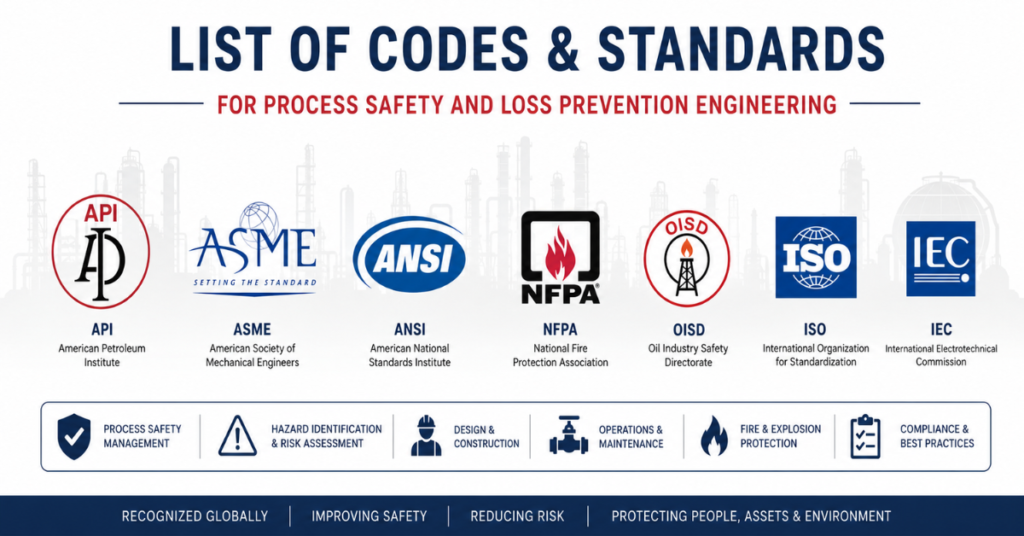
12. International Guidelines and Standards
| Standard | Area |
|---|---|
| API RP 75 | SIMOPS in offshore oil and gas |
| OISD-105 | Work permit systems |
| NFPA 51B | Hot Work |
| UK HSE | Offshore SIMOPS |
| OSHA 29 CFR | Permit-Required Confined Spaces |
| IEC 61511 | Functional safety, relevant to SIS during SIMOP |
13. Frequently Asked Questions (FAQs)
Q1. Is SIMOPS applicable to operating plants only?
No, SIMOPS applies to construction, commissioning, maintenance, and shutdown activities across all facility stages.
Q2. Can multiple permits be active in SIMOPS?
Yes, but they must be coordinated through a SIMOPS review, zoning, and additional approvals.
Q3. Who approves SIMOPS controls?
Typically the SIMOPS Chairperson, along with operations and HSE leads.
Q4. Are software tools available?
Yes, integrated PTW systems like Intelex, ePTW, TrackPermit, and SAP-PM can track SIMOPS flags and approvals.
14. Conclusion
SIMOPs are a significant contributor to unidentified risk in industrial facilities. While each task may appear safe in isolation, their concurrent execution may expose people and assets to serious hazards.
By conducting structured SIMOPS reviews, using risk matrices, and integrating additional controls into the PTW system, industries can greatly reduce the risk of multi-tasking failures.
With clear documentation, communication protocols, and real-time work coordination, SIMOPs can be managed effectively—ensuring safety, compliance, and operational continuity.