Oil and Gas Safety

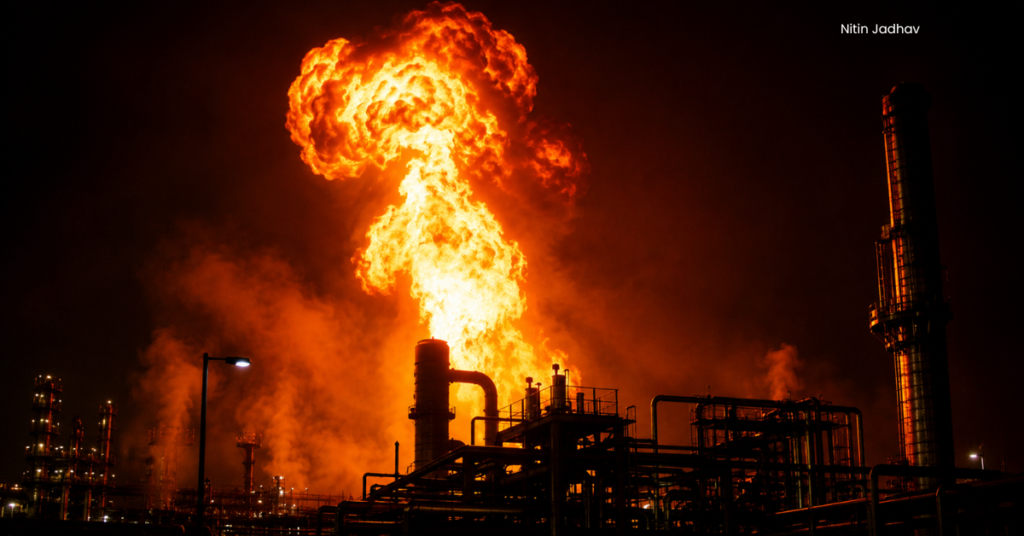
Large industrial fireball and jet fire at a petrochemical plant — illustrating major fire and explosion scenarios in process safety

Industrial Fire and Explosion Scenarios: The Complete Process Safety Guide

HSE (Health, Safety & Environment), Process Safety

Understanding pool fires, jet fires, flash fires, BLEVE, vapor cloud explosions, fireballs, and dust explosions is essential for every process safety professional. This in-depth guide by Nitin Jadhav covers how each scenario develops, the hazards it creates, real-world incident examples, and the engineering controls that prevent them — making it a must-read for HSE engineers, plant operators, and safety managers in oil & gas, petrochemical, and manufacturing industries.

Industrial Fire and Explosion Scenarios: The Complete Process Safety Guide Read Post »
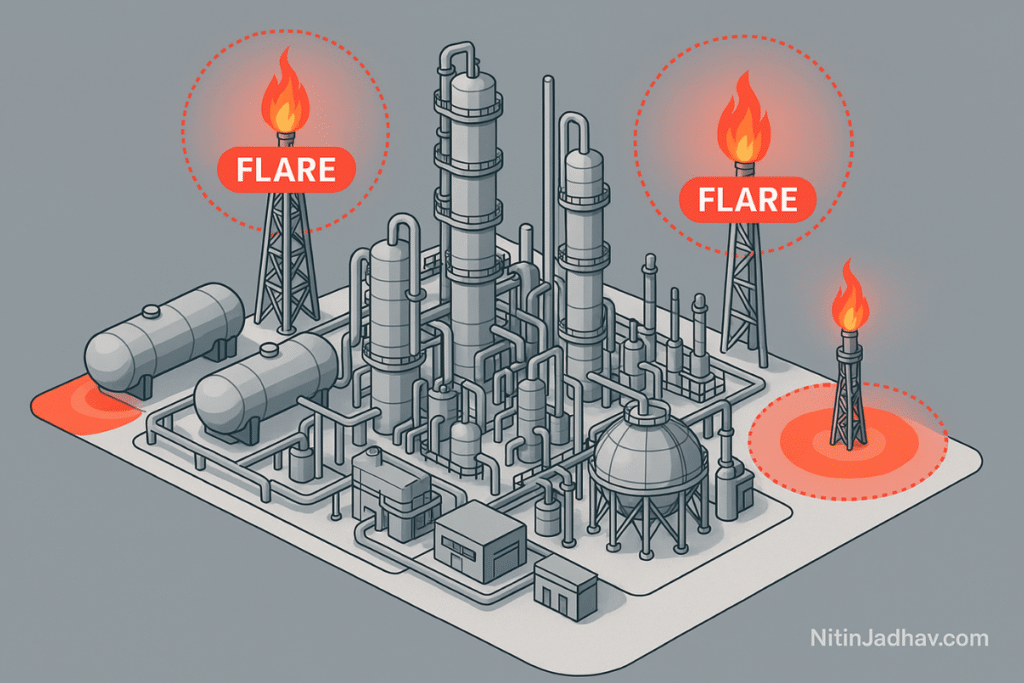
Heatmap showing fire and explosion impact zones in a process plant used for FERA study

FERA (Fire and Explosion Risk Analysis) Study – A Comprehensive Guide for Process Safety in Oil & Gas

Engineering, Fire Protection, Oil & Gas, Process Safety, Risk Assessment

A comprehensive guide to Fire and Explosion Risk Analysis (FERA), detailing methodology, scenarios, consequence modeling, tools, and best practices essential for safe design and operation in oil & gas and process industries.

FERA (Fire and Explosion Risk Analysis) Study – A Comprehensive Guide for Process Safety in Oil & Gas Read Post »

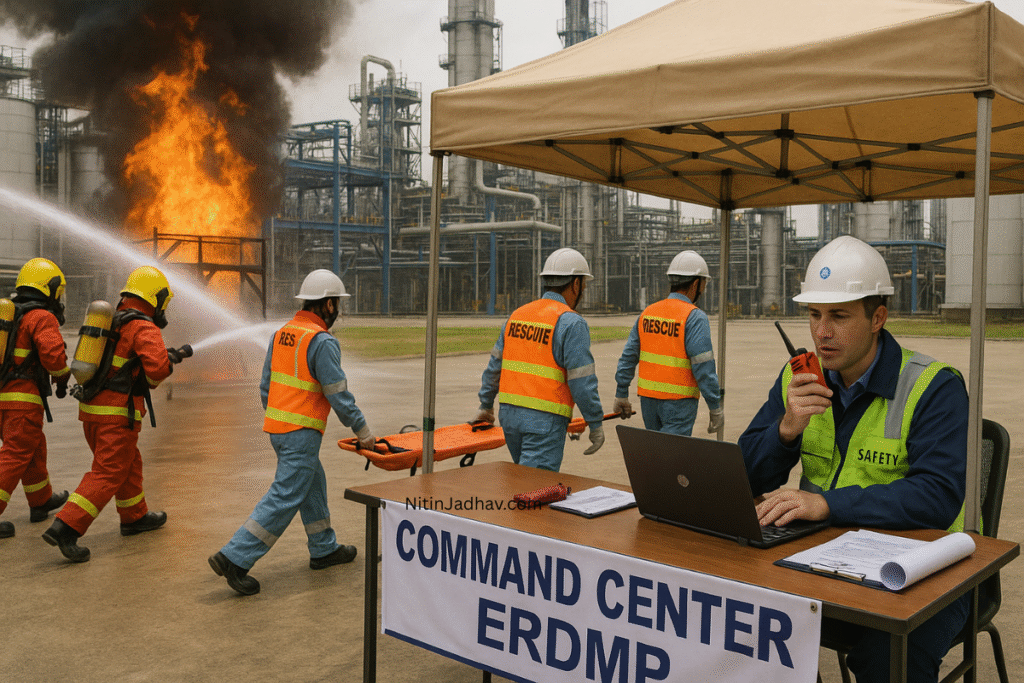
Mock drill and emergency response setup in compliance with ERDMP regulations at an oil and gas facility

Emergency Response and Disaster Management Plan (ERDMP) as per PNGRB Regulations 2010 and Amendment 2020 – A Complete Guide

Disaster Management, Emergency Planning, Oil & Gas, Process Safety, Regulatory Compliance

A complete guide to ERDMP (Emergency Response and Disaster Management Plan) as mandated by PNGRB Regulations 2010 and 2020 Amendment, covering applicability, structure, mock drills, certification, and implementation in oil & gas facilities.

Emergency Response and Disaster Management Plan (ERDMP) as per PNGRB Regulations 2010 and Amendment 2020 – A Complete Guide Read Post »

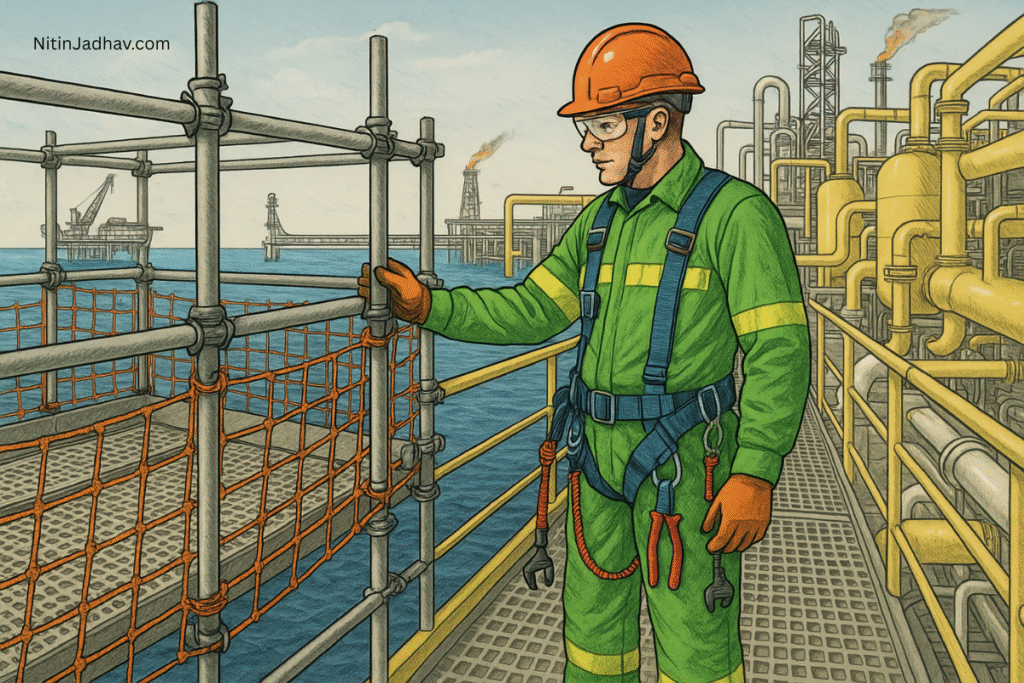
SIMOPS management layout in process facility showing overlapping work zones and safety control measures

Simultaneous Operations (SIMOPs) – A Complete Guide to Risk Control in Process Facilities

Commissioning, Construction Safety, Loss Prevention, Operational Risk, Process Safety

A comprehensive guide to Simultaneous Operations (SIMOPs) in industrial facilities, covering scenario identification, risk assessment, PTW integration, and best practices to ensure safety during overlapping activities.

Simultaneous Operations (SIMOPs) – A Complete Guide to Risk Control in Process Facilities Read Post »

Risk contour diagram showing individual and societal risk zones in an oil and gas facility for QRA analysis

QRA (Quantitative Risk Assessment): Why It Matters in Oil & Gas Projects

EPC Engineering, Oil & Gas Projects, Process Safety, Risk Management, Safety Studies

In high-risk industries like oil & gas, safety isn’t optional—it’s critical. Quantitative Risk Assessment (QRA) helps identify, quantify, and control hazards before they become disasters. Learn how QRA adds value, improves design, reduces cost, and ensures regulatory compliance in oil & gas projects.

QRA (Quantitative Risk Assessment): Why It Matters in Oil & Gas Projects Read Post »

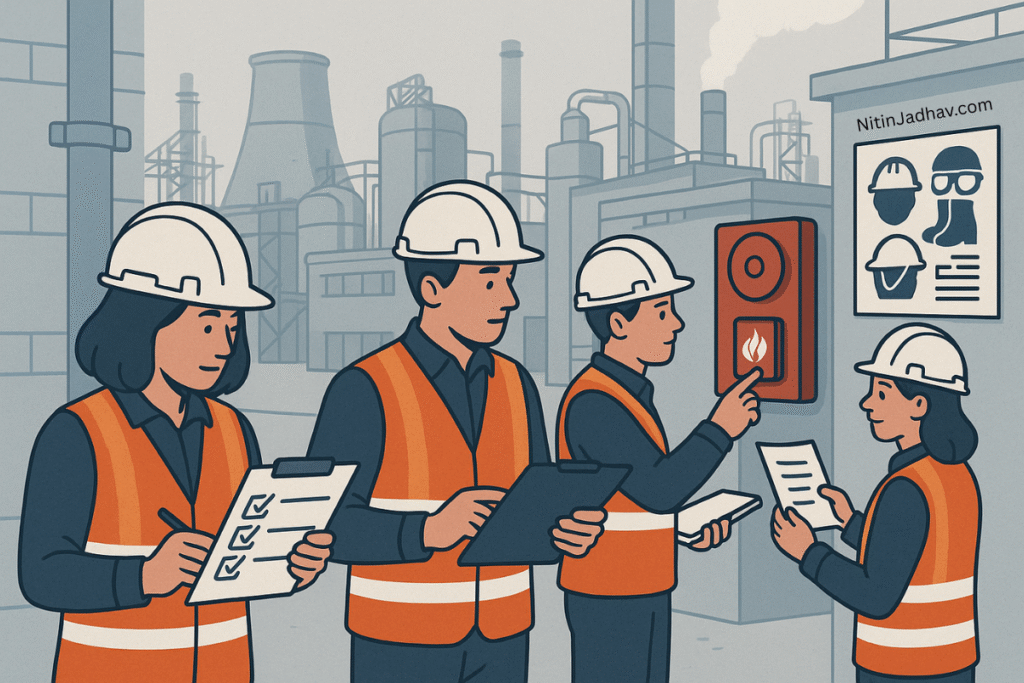
HAZID team conducting risk assessment for oil and gas project using process diagrams

Hazard Identification (HAZID) Study – A Comprehensive Guide

Industrial Safety, Process Safety, Risk Assessment Techniques

HAZID (Hazard Identification) is a proactive risk assessment technique used in high-risk industries to identify and mitigate hazards early in the project lifecycle. This article outlines the methodology, timing, team composition, and benefits of conducting a HAZID study in oil & gas and polyolefins sectors.

Hazard Identification (HAZID) Study – A Comprehensive Guide Read Post »

Scroll to Top